

Measuring Ankole Horns
A Practical Guide For breeders who want accurate, reliable results in the field
By Daniel Naude & Sally Blaine
Measuring Ankole horns is one of the most common—and important—tasks for breeders. Good measurements add real value when marketing animals. The key is to keep the process simple, repeatable, and as accurate as possible.
Why Accurate Measurements Matter
Horn size is a defining feature of Ankole cattle. Buyers pay attention to it, and breeding decisions often depend on it. If your measurements are inconsistent or inaccurate, it can affect credibility and pricing.
The goal is straightforward:
- Measure consistently
- Use the right tools
- Keep good records
Step 1: Get Your Tools Ready
You’ll need:
- Tow rope, straps, or strong ropes
- Weed-eater (nylon) line
- Masking tape
- Steel measuring tape (non-stretch)
- Pencil or marker
Step 2: Prepare Your Animal
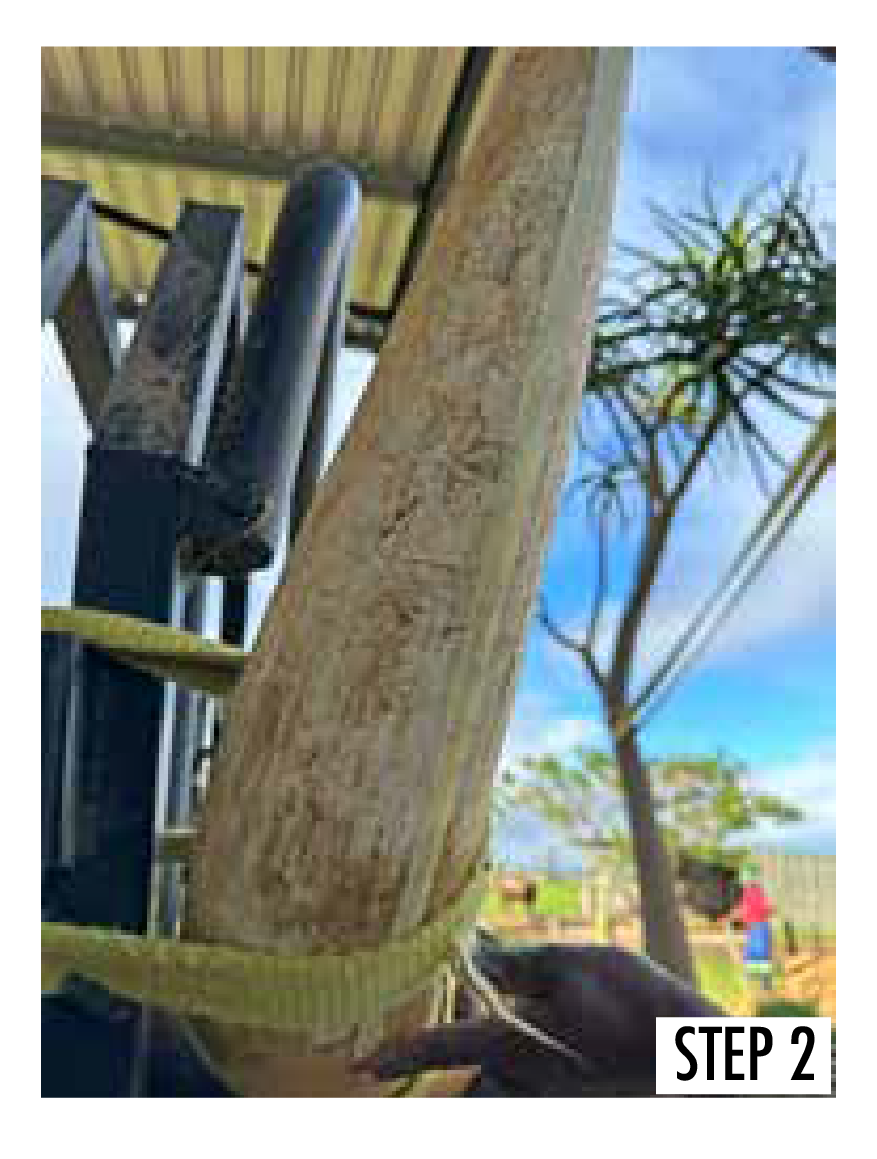
Use a neck clamp or crush and secure the animal with ropes around the horns. Walk animals through the clamp regularly so they stay calm and are familiar with being in the crush.
Step 3: Understand What You’re Measuring
You are measuring:
- Circumference of each horn base
- Length of each horn (outer curve)
Step 4: Measuring the Horn Bases
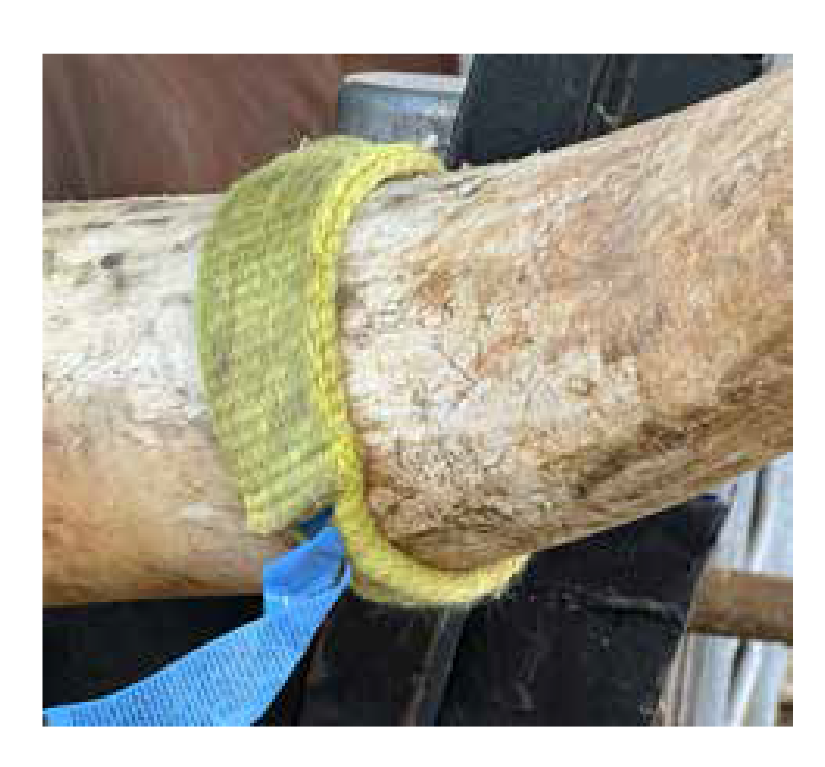
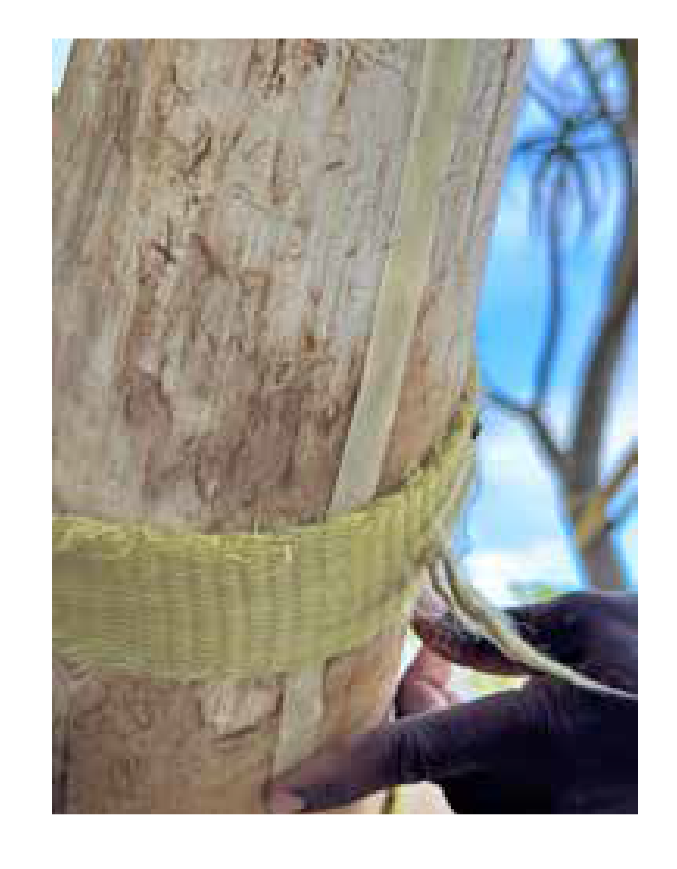
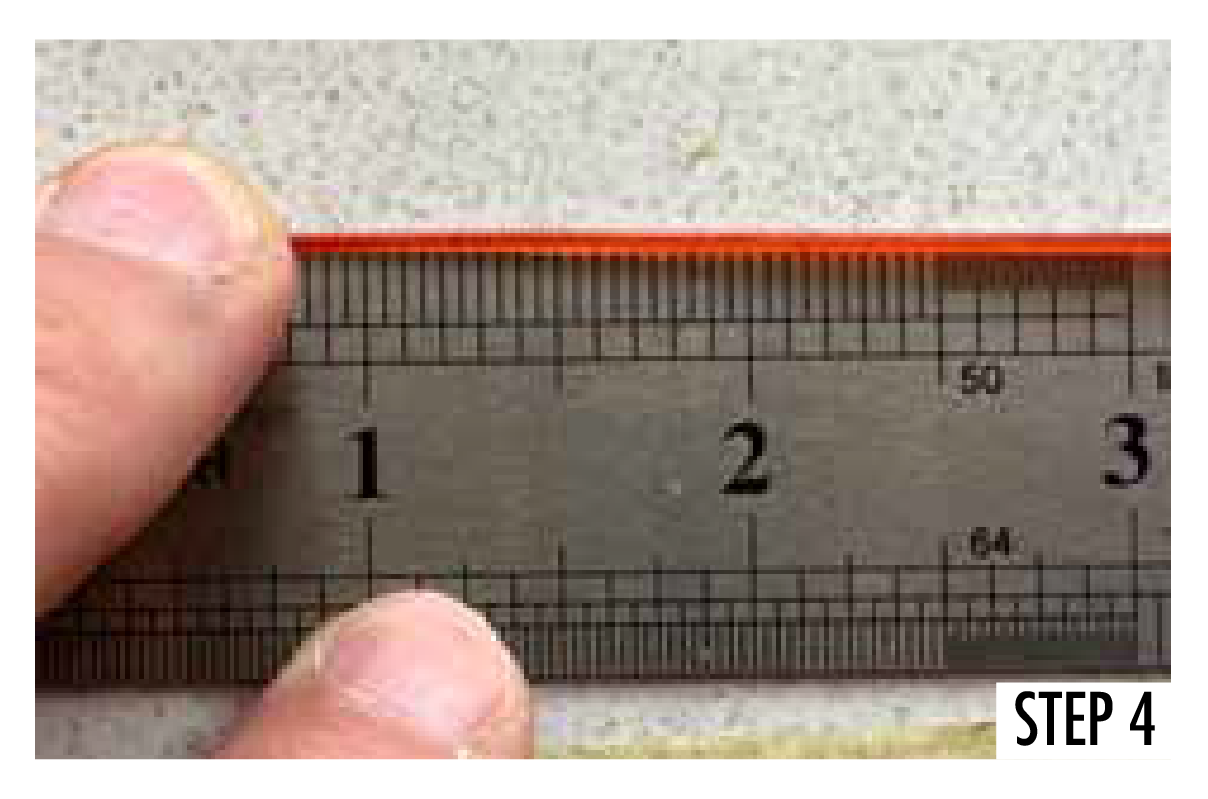
Wrap the line around the horn base at the hairline, mark where it meets, then measure it flat using a steel tape.
Step 5: Measuring Horn Length
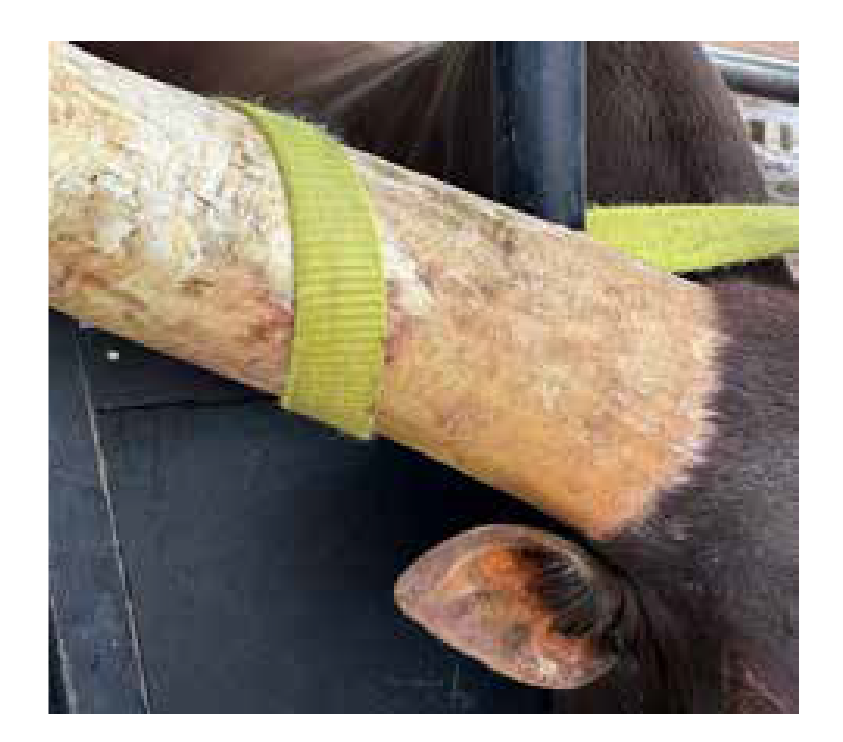
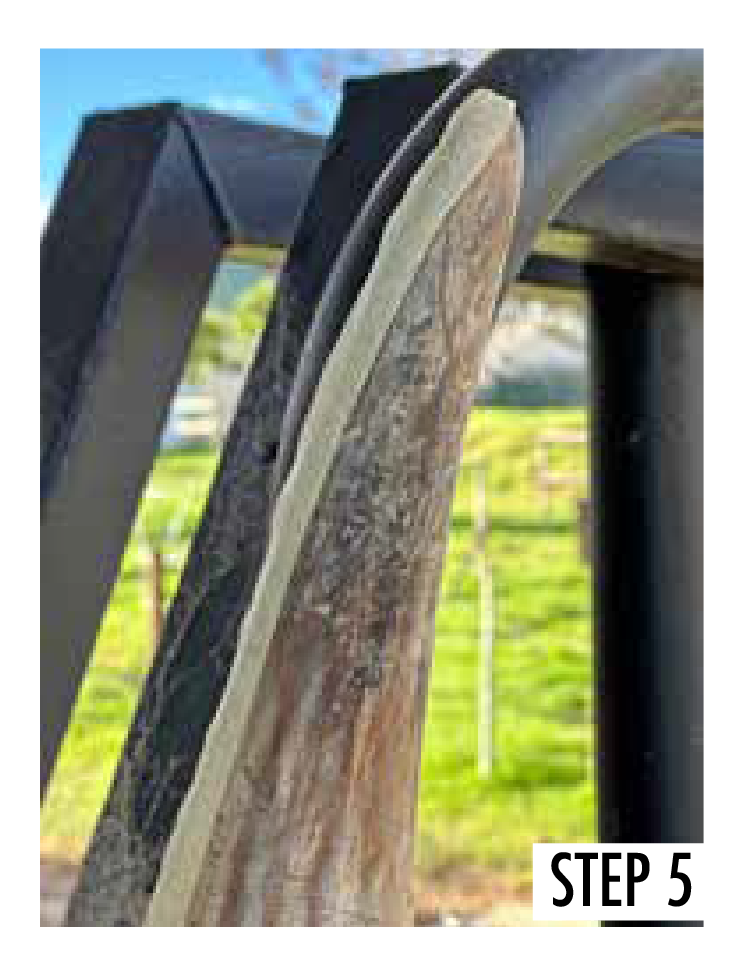
Measure along the outer curve from base to tip. Adjust starting point based on horn shape. Secure line with tape if needed. Follow in line with the grain of the horn from the bottom to the tip. Once again, take your weed-eater tape and measure it on a flat surface using the steel tape.
Step 6: Record and Verify
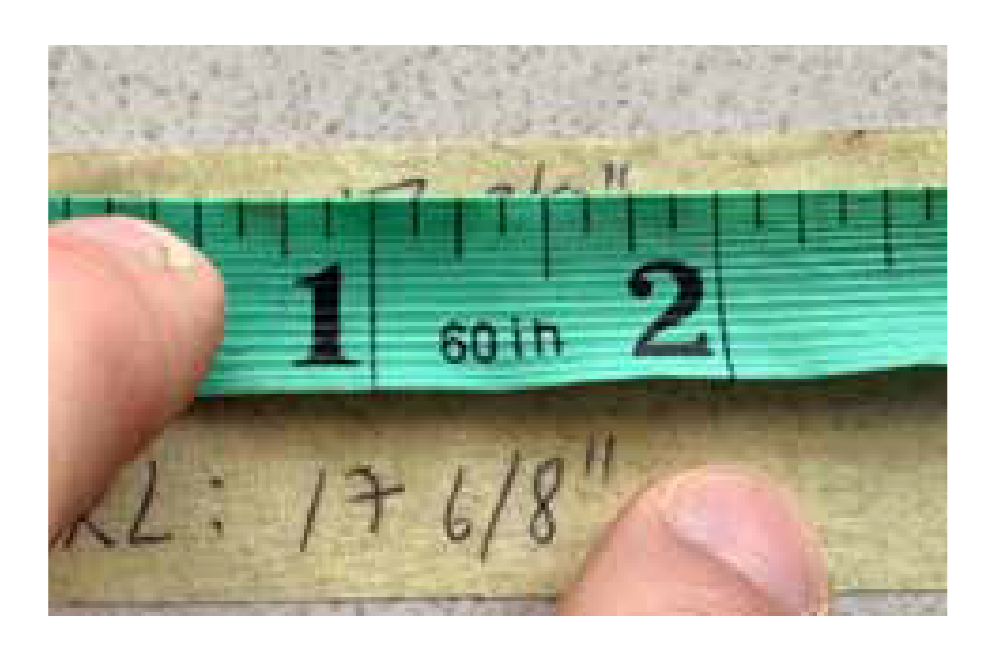
Have measurements certified by a vet or inspector and keep records for breeding and sales. Considering Ankole use their horns, having certified measurements allows you to demonstrate the horn length at different ages for your animals.
Final Thoughts
Accurate horn measurement is a simple but valuable skill. Stay consistent, work calmly, and keep good records.
Remember — calm animals + consistent technique = accurate results. That accuracy pays off when it comes time to market your animals or evaluate your breeding program.
Good luck—and happy measuring.