
Managing the Calving Period of Embryo Calves, with Special Reference to Inductions
By Dr Robert Treadwell, Embryo Plus
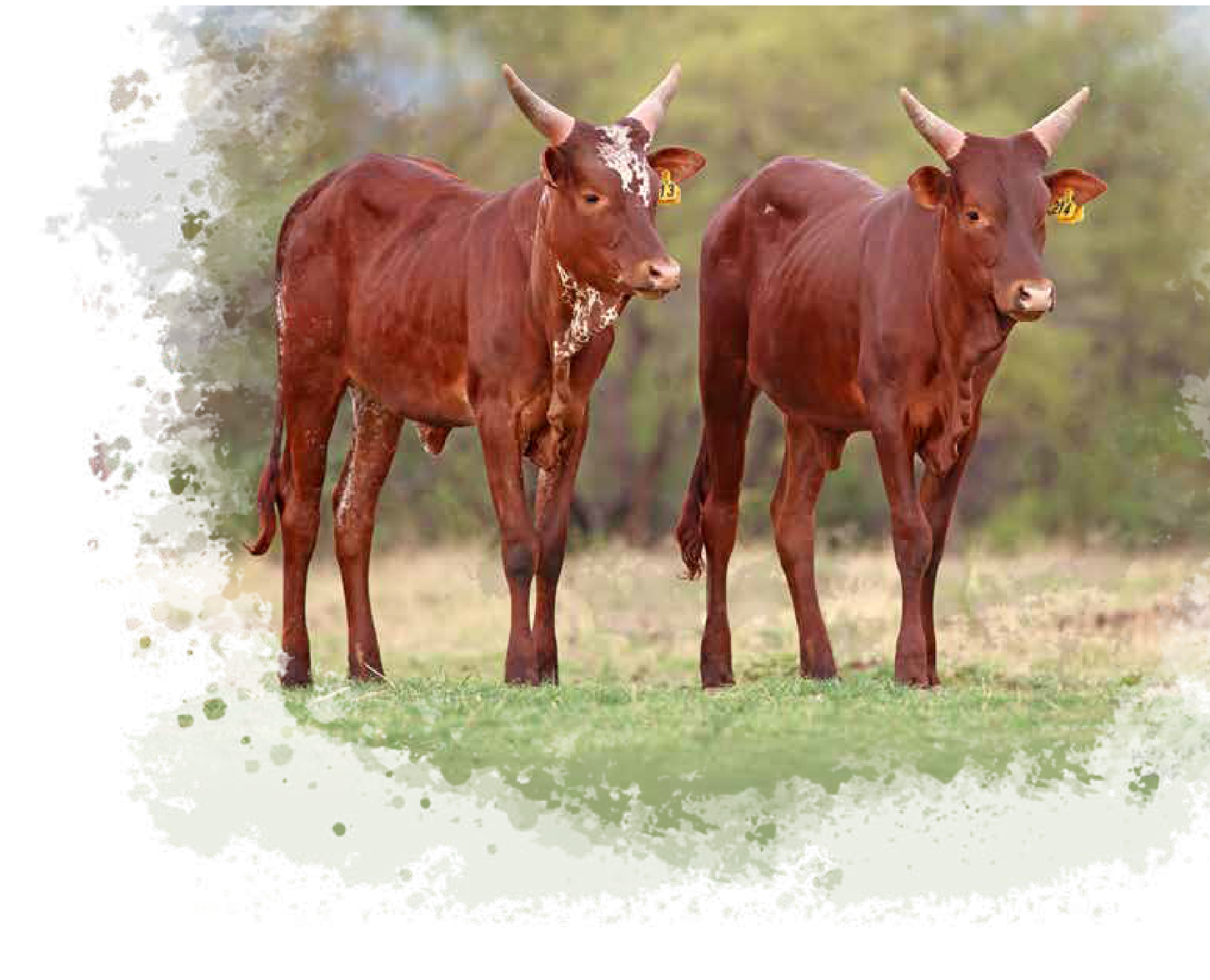
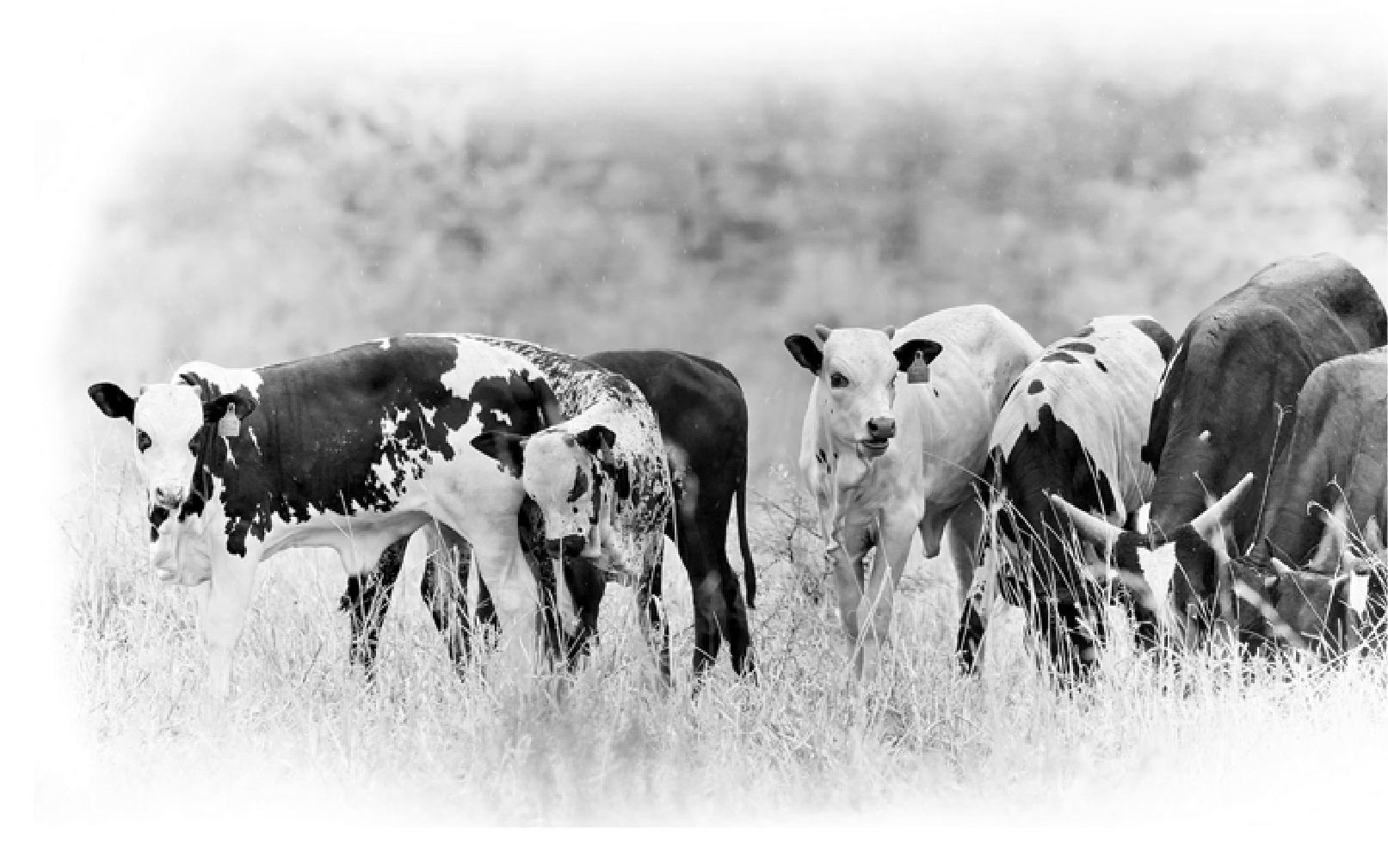
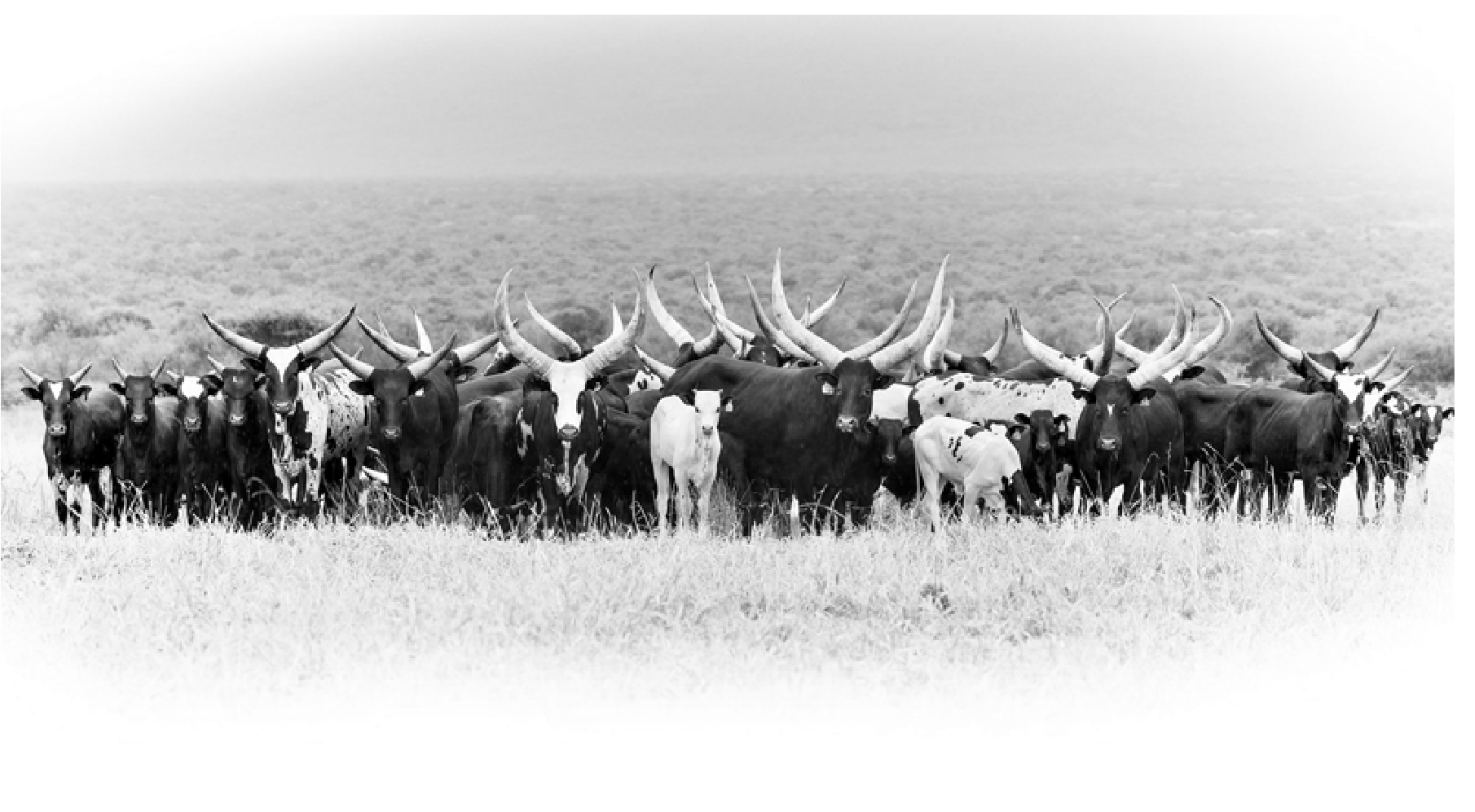
The Ankole breed is known for having small, alert calves at birth which, combined with its slender body type, ensures relatively easy and uncomplicated births.
However, the unrivalled interest in the breed and the value of the exciting genetics on offer, coupled with the fact that a lot of new Ankole breeders are relatively new to cattle breeding and do not always reside on the properties where the pregnant animals are kept, means that a lot of emphasis is being placed on getting things right when the precious embryo calves are due to be born.
If used responsibly, the practice of inducing pregnant cows to calve at a specific time can be a very handy tool for Ankole breeders to manage those all-important, stressful calving periods.
At Embryo Plus, we have done extensive studies over numerous calvings involving Ankole embryos transferred into various different breeds and types of recipient mothers, to developed a calving protocol aimed at delivering the maximum number of healthy, live calves out of your embryo program.
Keeping in mind that the optimal management of your pregnant animals is crucial before one could even consider inductions, please ensure the following is in place:
- Accurate record keeping of the embryo transfer dates on specific, clearly identified recipients.
- Accurate pregnancy diagnosis on these recipients after embryo transfer, preferably repeated at a later stage again during the pregnancy to exclude animals that fell pregnant to a subsequent natural mating or those that may have lost their initial pregnancies and fell pregnant again later. If you induce an animal too early, it will result in the birth of a dead, premature calf that cannot breathe or suckle and the mother is also at risk of suffering from a retained afterbirth and falling ill afterwards.
- Vaccinate the pregnant recipients in the last trimester of pregnancy against certain viruses and bacteria that causes lung problems or diarrhoea amongst young calves. The mothers will then produce antibodies against these pathogens in their colostrum, affording the suckling new born calf the best immunity to protect them early on in life.
- Guard against the pregnant recipients becoming too fat, especially during the last trimester, since they deposit unnecessary fat in the birth canal, which impairs the birth process. The unborn calf is also growing rapidly during this phase of the pregnancy, so they could end up growing too big inside the mother if the nutrition is overly good.
- Make sure the micromineral status and vitamin treatments of the dam is up to date.
- Keep your heavily pregnant recipients in the right area. Balance the need for proper observation and having easy access to handling facilities with the mother’s need for a bit of privacy from the rest of the herd when actually calving and bonding with her calf.
The absence of predators such as jackal is obviously very important, often “still born” calves are actually the result of the mother being disturbed every time she goes down to calve, preventing a timeous birth. The camp should also be big enough to allow for natural “disinfection” by sunlight in between different births to prevent the contamination of the area and the build-up of pathogens leading to the infection of calves. Rotate designated camps if possible, or if you’re going to use smaller pens for individual animals, be sure to disinfect them thoroughly in between calvings.
For successful inductions, timing and observation is key.
Recipients that were transferred on the same day, regularly calve up to 21 days apart. The length of the gestation (pregnancy period) is determined by the embryo (genetic variables), the recipient (breed, size, body condition) as well as some seasonal influences.
The Ankole embryo’s normal gestation period is slightly longer than many of the European breeds, and dystocia (difficult birth) as a result of an oversized calf is usually not a problem with the Ankole.
On farms with good management and observation during the calving period, we therefor prefer to leave recipients pregnant to Ankole embryos until 284 days after transfer (that is 291 days after the fertilization of the egg), before inducing them. Roughly 40–50% of the recipients would have calved naturally, without induction, before this time.
An alternative method would be to wait until 50% of the recipients, transferred on the same day, have calved and then inducing the remaining 50%.
Big framed recipients such as Bonsmara cows or mature Jerseys tend to naturally carry a bit longer if not induced, since there is more space for the foetus to develop before its stress levels initiate the calving process. Smaller framed Nguni’s or heifers tend to calve a bit earlier.
Inducing earlier than 284 days after transfers, obviously results in less natural births and overall a more condensed calving period. If the management and observation on farm is problematic and the owner wants to be present at the time of calving, one could induce at 277 days after transfer. However, we do not recommend inducing earlier than 277 days after transfer, in order to avoid premature calves.
Please discuss the planned induction with your local veterinarian too, in case their assistance is needed during the subsequent birth.
Animals usually calve in between 24–48 hours after induction, with the average at 36 hours. Any animal that was due to calve earlier will do so regardless, the induction will not delay the natural calving.
At Embryo Plus we use a combination of prostaglandin and cortisone injections to induce, usually as early as possible in the morning, so that the average recipient calving 36 hours after induction would then calve during the afternoon of the following day. Having a daytime calving makes the observation and possible assistance easier.
Observation and timeous intervention if required is important. One could even consider introducing the payment of a bonus to the relevant staff members as incentive for every calf born that is born alive and drinking strongly by itself a day or 2 after calving.
We do 3 hourly checks for the whole period from induction until calving. If a cow has not gone into labour 48 hours after induction, or has been in active labour (the “water has broken”) and she’s been straining and pushing for an hour without any progress, it is indicated to examine her and assist with the calving if necessary.
Be prepared, should assistance be required:
- Ensure proper illumination of the calving pen and handling facility for night time procedures.
- Have your calving chains or ropes ready.
- If you have pulled a calf, immediately remove the mucus from the mouth with your hand and let the calf lay upright on its brisket (sternal recumbency) so that both its lungs can inflate, whilst rubbing its chest with a towel. We usually squirt 30 ml of cold water into the one ear, which causes the calf to shake its head and snort, which often helps to get it breathing normally.
- Outdated techniques such as swinging or hanging the calf upside down by its hindlegs to try and remove the mucus in the airways or letting it lay flat on its side may actually be counterproductive to the lungs inflating properly and could even cause more mucus from the stomach to enter the airway.
- Disinfect the navel properly by dipping the navel in a cup with chlorhexidine or Woudine for at least 30 seconds, this is repeated after 12 and 24 hours.
- Always keep a stock of high-quality frozen colostrum in the fridge on standby if the mother does not have milk, as it is imperative that the new-born calf should ingest 2 litres of colostrum within 6 hours after birth for optimal immunity against diseases. If it does not want to drink from the mother or an artificial teat, one could consider using a stomach tube administered by an experienced person to feed milk for 2 days after birth.
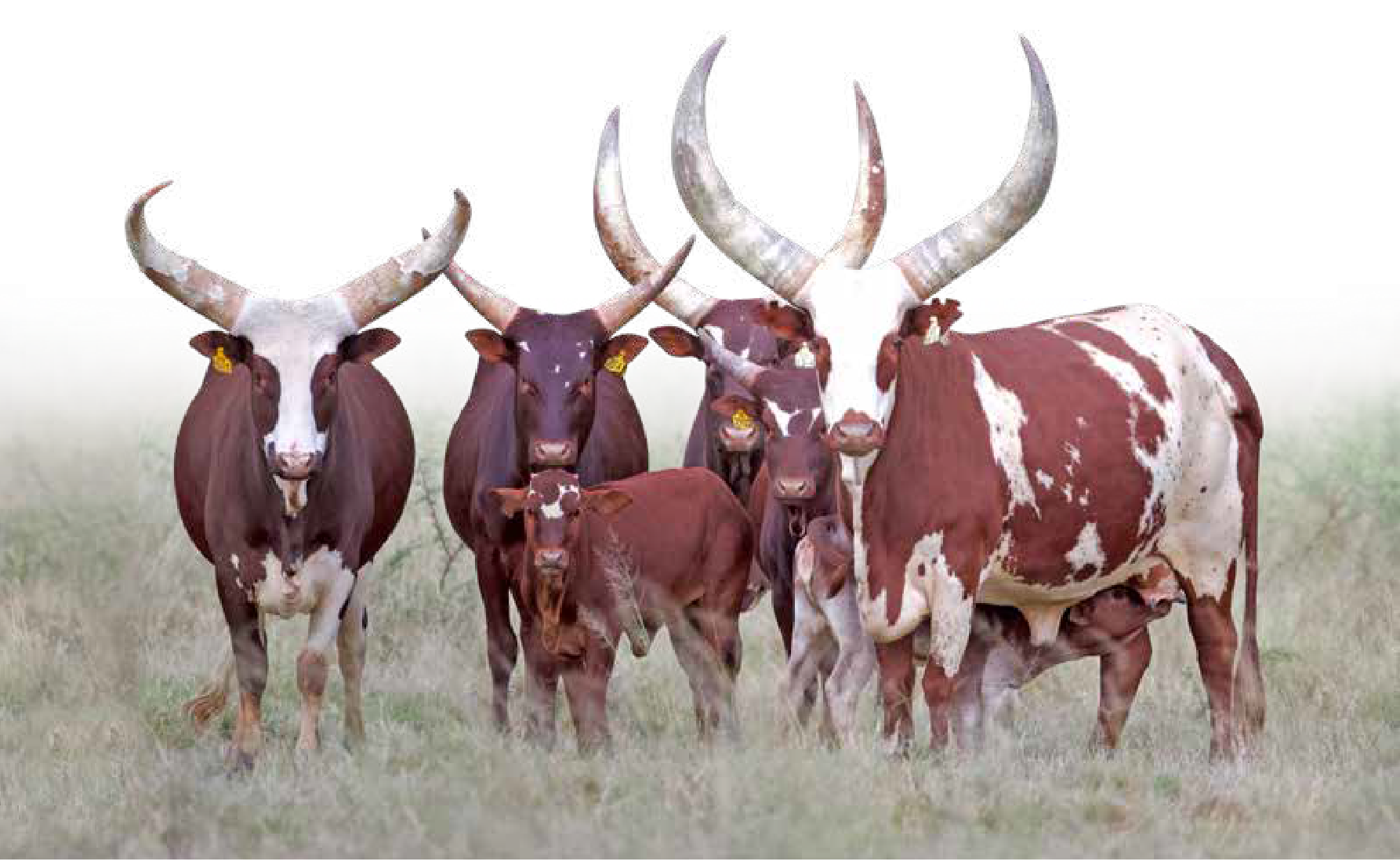
Remember that the life of the Ankole calf is the most important outcome, calling the vet to assist or possibly do a C-section but getting a live calf is worth much more than trying to save the recipient or a few Rand.