

Foot-And-Mouth Disease Biosecurity for South African Cattle Farms
Foot-and-Mouth Disease Biosecurity for South African Cattle Farms
By Dr Hendrik Hansen, Embryo Plus

Figure 1: Shedding, Contamination and Transmission of the Virus
Introduction
Foot-and-mouth disease (FMD) remains one of the most economically devastating livestock diseases in the world and is of particular importance to the cattle industry in South Africa. The virus affects all cloven-hoofed animals including cattle, sheep, goats, pigs and several wildlife species. African buffalo are especially important in the epidemiology of the disease because they can become long-term carriers of the virus and may remain infectious for years after initial infection.
In domestic cattle the virus spreads rapidly through saliva, respiratory aerosols and fluids from vesicles (blisters) in the mouth, on the tongue, lips, and between the hooves. Infected cattle can begin shedding viruses before clinical signs appear and may remain infectious for weeks after recovery. Because of this high level of contagiousness, strict farm biosecurity remains the most effective defence against an outbreak on cattle farms.
Clinical Signs and Impact
Clinical signs of FMD in cattle vary depending on age, immune status, virus strain and environmental factors. Typical signs include:
- Fever followed by blister formation in the mouth, on the tongue and lips
- Vesicles between the claws and around the coronary band
- Lameness and reluctance to move
- Excessive salivation and drooling
- Loss of appetite and reduced milk production
Severe cases may involve sloughing of hoof tissue and extensive lesions in the mouth. Mortality rates in adult cattle is usually low but production losses can be severe. In young calves, mortality may be significantly higher due to myocarditis (inflammation of the heart muscle) and secondary complications.
Survival of the Virus in the Environment
FMD virus can survive for extended periods in organic material and under cool, moist conditions. Examples include:
- Wet cattle manure: up to 60 days or longer
- Wet bedding or slurry: up to 90 days
- Soil: approximately 12 days in summer and up to 28 days in winter
- Dry organic material: about 1 day under warm conditions
The virus survives longer in humid environments (above ±55% humidity) and at cooler temperatures. Virus particles rapidly lose infectivity at temperatures around 37°C and higher and are inactivated by extreme pH (below 4 or above 10) when not imbedded in organic material.
Because the virus survives well in manure, bedding, feed residues and other organic material, these substances play a major role in the spread of disease between farms.
Major Routes of Introduction onto Farms
FMD most commonly enters previously uninfected farms through several key routes:
- Introduction of infected cattle or other cloven-hoofed animals
- Movement of people who have had recent contact with infected animals
- Vehicles and equipment contaminated with organic material
- Feed, manure, bedding or other contaminated organic material
- Genetic material such as semen collected from infected animals
Understanding these pathways is critical when designing a farm biosecurity programme.
Animal Movement and Quarantine
The introduction of new animals represents one of the highest risks for FMD entry.
Recommended procedures include:
- Only purchase animals from trusted sources with known health status
- Verify identification of all animals on delivery
- Obtain a veterinary health declaration not older than 48 hours
- Conduct a clinical inspection at the farm gate before unloading
- Once vaccines are freely available, insist on a valid vaccination record for all new animals entering the quarantine. They should be vaccinated not less than 14 days prior to arrival. Re-vaccinate when entering quarantine.
All newly introduced animals should be placed in a dedicated quarantine facility:
- Minimum quarantine period: 28 days
- All-in, all-out management system
- Daily clinical monitoring
- Separate equipment, feed and personnel for quarantine animals
- Quarantine facility located away from the main herd and preferably downwind
Animals should only be introduced into the resident herd after passing a final health inspection at the end of the quarantine period.
People and Visitor Biosecurity
People can easily transport FMD viruses on clothing, footwear or contaminated equipment.
Key control measures include:
- Controlled farm access through a locked gate or security point
- Entry by appointment only
- Visitor declaration regarding recent contact with livestock
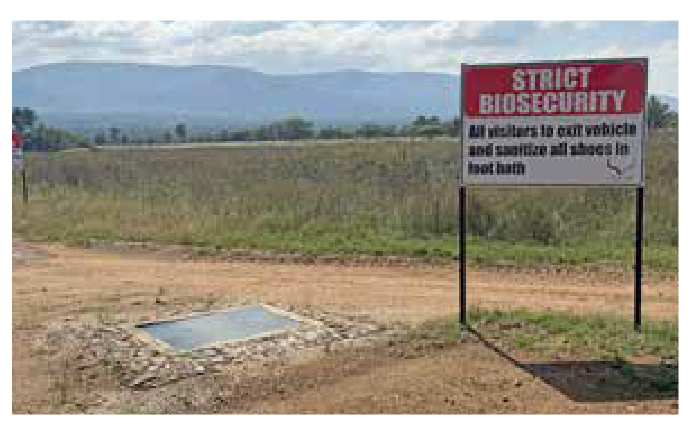
- Hand and footwear disinfection at entry points
- Provision of clean protective clothing for high-risk visitors
- Restrict visitor movement to non-animal areas whenever possible
Veterinarians, animal health technicians and contractors and farm workers should use clean protective clothing and boots when entering the animal areas on the farm.

Vehicles, Equipment and Fomites
Vehicles and equipment are possible carriers of contaminated organic material.
Biosecurity measures should include:
- A single controlled farm entrance
- Inspection of vehicles before entry
- Removal of visible organic material before entry
- Disinfection of wheels and vehicle surfaces
- Restriction of vehicle movement inside livestock areas
- Dedicated equipment for cattle handling facilities
High-risk vehicles such as livestock trucks that recently transported animals from unknown sources should be denied entry whenever possible.
Organic Material Control
Organic material such as manure, saliva, bedding, feed and milk can carry high concentrations of viruses.
Important precautions include:
- Prevent introduction of unknown organic material onto the farm
- Ensure feed deliveries originate from reliable sources
- Keep delivery vehicles clean
- Maintain one-directional movement of waste material out of the farm
Strict management of organic waste greatly reduces the risk of viral survival and spread.
Genetic Material and Reproductive Risks
Semen from infected bulls may contain infectious viruses, particularly if collected during the pre-clinical or early post-clinical period.
To reduce risk:
- Only use semen from registered and accredited semen and embryo collection centres
- Ensure donor bulls undergo required disease testing
- Avoid the use of unverified or illegally imported semen
- Maintain documentation confirming the health status of donor animals
Nitrogen flasks and semen storage equipment can also act as vectors if contaminated material is introduced.
Farm-Wide Biosecurity Management
An effective biosecurity system requires cooperation from everyone working on the farm. Workers, managers, contractors and visitors must all follow the same protocols.
Additional important measures include:
- Permanent identification of all animals (RFID or visible tags)
- Detailed movement records for animals, visitors and vehicles
- Strategic placement of quarantine facilities away from the main herd
- Proper fencing to prevent contact with neighboring livestock or wildlife
- Clear signage explaining farm biosecurity rules
Where possible, neighboring farms should cooperate to establish regional biosecure zones. The larger the protected area, the lower the risk for each individual farm.
Vaccination
Vaccination remains an important risk-reduction tool in endemic or high-risk regions. Vaccinated animals generally present a lower risk of infection and virus spread than non-vaccinated animals.
Vaccination programs should be coordinated with veterinary authorities and include:
- Proper identification of vaccinated animals
- Maintenance of up-to-date vaccination records
- Booster vaccinations according to official guidelines
Vaccination should always complement – not replace – strict farm biosecurity.
Conclusion
Foot-and-mouth disease represents a constant threat to the South African cattle industry. Because the virus spreads rapidly and survives well in the environment, prevention through biosecurity is far more effective than responding to an outbreak.
By controlling animal introductions, managing visitor access, disinfecting vehicles and equipment, and maintaining strict quarantine protocols, cattle producers can significantly reduce the risk of FMD entering their farms.
Strong cooperation between neighboring farms, veterinarians and industry organizations will further strengthen regional disease protection and help safeguard the long-term sustainability of South Africa’s cattle sector.


Photographing your Ankole Cattle

Photographing Your Ankole Cattle
By Sarel Snyman, Daniel Naude & Sally Blaine
You took the leap!! You invested in Ankole. You are now going to sell, and you need fantastic photos to show your animal off. We have all seen great photos and unfortunately, we have all seen poor quality photos that do not show our animals off. What are the tips to taking great photos? We spoke to two brilliant photographers, Daniel Naude and Sarel Snyman, and this is a summary of their advice.
Firstly, it is advisable to invest into a professional photographer to assist you in capturing your animal in the best possible way. Remember, you are the owner of the animal and know it best. Brief your photographer as to what you need and would like to highlight. This will make the photographic process flow more easily. Then following the tips below will allow you to produce the best possible visual materials.
Tip 1: Allow your Buyer to be Informed
The photographs we use to display our animals to the market is the key aspect of presenting these animals to our audience. We use photographs and videos to show potential buyers what our animals look like. These potential buyers need to be as informed as possible to make their decisions. Considering this, the best pose is critically important. This showcases the animal. It is important to have a hero photograph that is the main portrait of the animal that will be used. Different angles or poses can then be used to present other aspects of the animal.
The video will also capture these aspects. It captures them in movement. This means that the potential buyer needs both the frozen frame of a photograph and the video to effectively analyse the animal. Showing certain unique characteristic of the animal is also important. This could include certain markings, different horn angles, side views, even back views to see the tail top or hind legs.
The variety in coat colours and patterns in Ankole means that an animal can have quite different markings on one side from the other. This means that your photo and video needs to show all aspects of your animal. Include both sides of the cow, their horns, their rump and their hooves. The same is true for their horn shapes. You need to show how they walk and how they carry themselves to demonstrate that they are sound. All this can be done between good quality photographs and videos.
Tip 2: Consider your Background
The background makes up to 40% to 50% of the photograph. Having as attractive a background as possible creates a more appealing effect in portraying your animal. Stillness is the essence of a good, completed photograph. For example, a cow posing calmly in a lush, green landscape with mountains, hills or trees in the background is ideal. This supports the final selection of a hero photograph. Try and make sure that the background to your photos is as “quiet” as possible. Not too much clutter. The presence or expression of the animal can also determine the feel of the photograph. Consider the time of the day and light when taking the video or photograph. Early mornings and late afternoons are best as the light is softer and allows for better photographs. Look at what is in the background of the photo, and how far from your animal it is to make sure that your animal stands out. Don’t let your animal get lost in the background.

Tip 3: Show Every Aspect
Ankole come in many different colours and have huge variety in the coats. When you take photos or make videos, try and capture the whole animal. Show both the left and right sides, show the front and the rear and do close ups if it makes sense. This will allow the viewer to be drawn into the total feeling and presence of the animal. This is where a video really comes in handy. It allows you to demonstrate the full animal and it shows how he or she walks, how they carry their heads and the overall confirmation. It also allows you to show the testes and udder of the animals. One of the tricks with Ankole is to make sure that you show the horns off to their best advantage. Photographing them can be tricky as some horns curve back, which is not visible if you merely photograph them from the front.
The best angle to photograph is where the animal is standing with his or her shoulder facing you and is looking directly at you. This provides a sense of depth and shows both the body, the face and the horns. It is important to work towards a well-balanced photograph where the horns and feet are included.
Take into consideration the surface the animal is standing on. If the animal is standing on a downward slope and you are photographing from the bottom part of the slope, photographing upwards, the posture and stance of the animal will appear differentially from standing on a flat surface.
Temperament is becoming increasingly important in Ankole. Being able to take a video where the temperament shows assists in demonstrating how easily you can work with your animals. Make sure your animals look lively. Animals that are very tame may not appear alert. This is not ideal for photographs and videos. Remember, if you do not produce a video, some potential buyers may think that this is because your animals cannot be worked.
Tip 4: Use the Best Equipment You Can
Photographs that are used for printing in catalogues and for displaying on screens during auctions need to be high definition. This allows for clear, crisp and in-focus images. To get these images use the best quality equipment you have. A camera will always take better pictures than a cellphone. If you do not have the equipment, it’s advisable to get someone to assist you who is experienced in taking photographs and videos for these specific purposes. Self-trained farmers can photograph their animals. You know your animals the best. Photography and videography are skills that you can develop that will support the marketing of your animal. The benefit of this approach is that you can take photographs and videos until you are happy with the content you have.
Your photographs and videos are a key factor in establishing your brand as a breeder. Invest in these so that they capture the quality and essence you would like to showcase as part of your brand. Remember the photograph and video can only capture quality to a point. The condition of the animal plays a big role in how it presents in your visual materials. Having your animals in peak condition provides the best subjects for excellent photographs and videos.
The aim of good photographic and video material is to showcase your animal. Keep it simple and build it for the specific purpose that you have – to allow any potential buyer to look carefully at your animal and decide based on as much information as possible.
Remember, there is always a better photograph to be taken. Invest time and skill in capturing your animals on film and it will always pay off.
Happy snapping.
Managing the Calving Period of Embryo Calves
Managing the Calving Period of Embryo Calves, with Special Reference to Inductions
By Dr Robert Treadwell, Embryo Plus
The Ankole breed is known for having small, alert calves at birth which, combined with its slender body type, ensures relatively easy and uncomplicated births.
However, the unrivalled interest in the breed and the value of the exciting genetics on offer, coupled with the fact that a lot of new Ankole breeders are relatively new to cattle breeding and do not always reside on the properties where the pregnant animals are kept, means that a lot of emphasis is being placed on getting things right when the precious embryo calves are due to be born.
If used responsibly, the practice of inducing pregnant cows to calve at a specific time can be a very handy tool for Ankole breeders to manage those all-important, stressful calving periods.
At Embryo Plus, we have done extensive studies over numerous calvings involving Ankole embryos transferred into various different breeds and types of recipient mothers, to developed a calving protocol aimed at delivering the maximum number of healthy, live calves out of your embryo program.
Keeping in mind that the optimal management of your pregnant animals is crucial before one could even consider inductions, please ensure the following is in place:
- Accurate record keeping of the embryo transfer dates on specific, clearly identified recipients.
- Accurate pregnancy diagnosis on these recipients after embryo transfer, preferably repeated at a later stage again during the pregnancy to exclude animals that fell pregnant to a subsequent natural mating or those that may have lost their initial pregnancies and fell pregnant again later. If you induce an animal too early, it will result in the birth of a dead, premature calf that cannot breathe or suckle and the mother is also at risk of suffering from a retained afterbirth and falling ill afterwards.
- Vaccinate the pregnant recipients in the last trimester of pregnancy against certain viruses and bacteria that causes lung problems or diarrhoea amongst young calves. The mothers will then produce antibodies against these pathogens in their colostrum, affording the suckling new born calf the best immunity to protect them early on in life.
- Guard against the pregnant recipients becoming too fat, especially during the last trimester, since they deposit unnecessary fat in the birth canal, which impairs the birth process. The unborn calf is also growing rapidly during this phase of the pregnancy, so they could end up growing too big inside the mother if the nutrition is overly good.
- Make sure the micromineral status and vitamin treatments of the dam is up to date.
- Keep your heavily pregnant recipients in the right area. Balance the need for proper observation and having easy access to handling facilities with the mother’s need for a bit of privacy from the rest of the herd when actually calving and bonding with her calf.
The absence of predators such as jackal is obviously very important, often “still born” calves are actually the result of the mother being disturbed every time she goes down to calve, preventing a timeous birth. The camp should also be big enough to allow for natural “disinfection” by sunlight in between different births to prevent the contamination of the area and the build-up of pathogens leading to the infection of calves. Rotate designated camps if possible, or if you’re going to use smaller pens for individual animals, be sure to disinfect them thoroughly in between calvings.
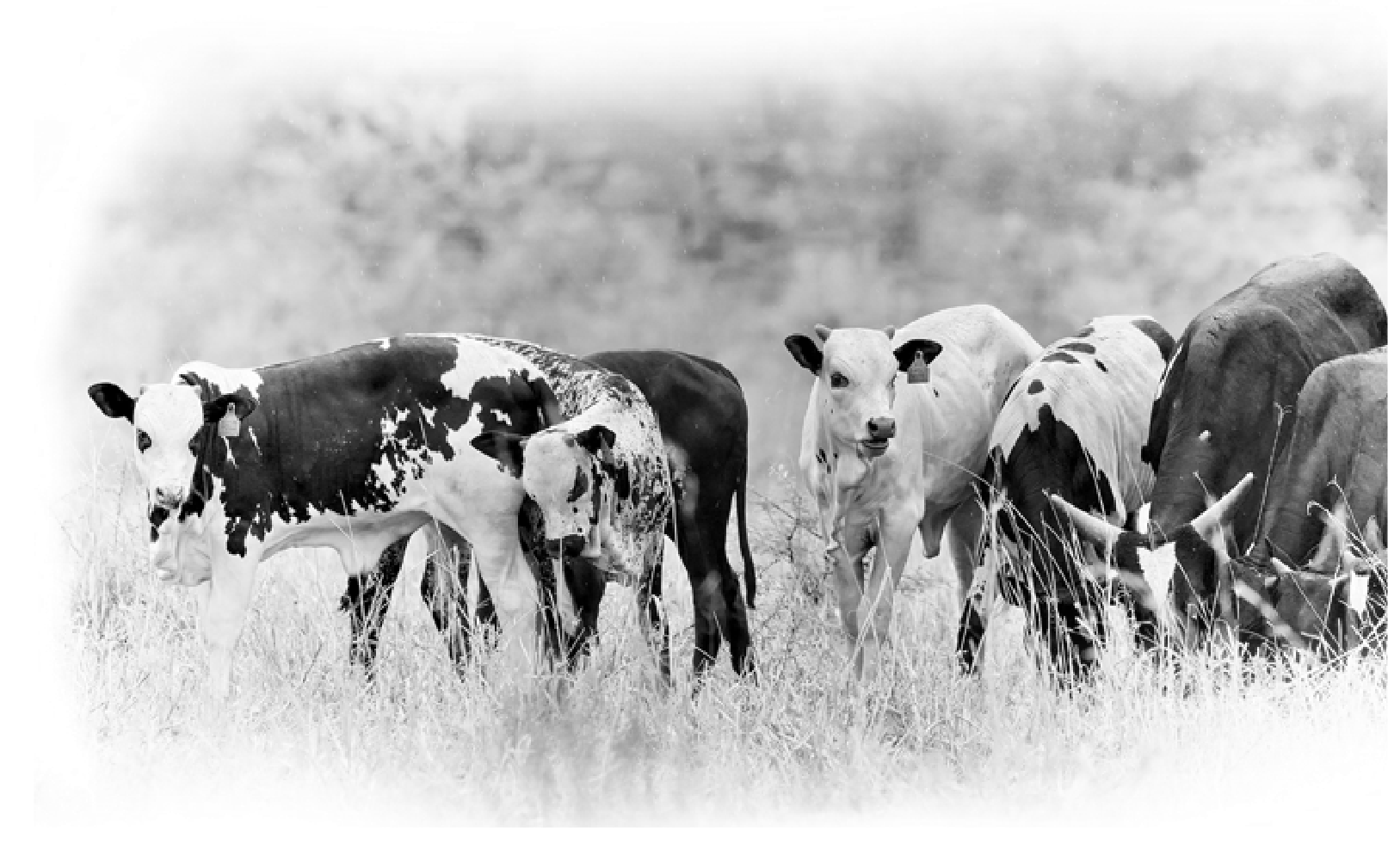
For successful inductions, timing and observation is key.
Recipients that were transferred on the same day, regularly calve up to 21 days apart. The length of the gestation (pregnancy period) is determined by the embryo (genetic variables), the recipient (breed, size, body condition) as well as some seasonal influences.
The Ankole embryo’s normal gestation period is slightly longer than many of the European breeds, and dystocia (difficult birth) as a result of an oversized calf is usually not a problem with the Ankole.
On farms with good management and observation during the calving period, we therefor prefer to leave recipients pregnant to Ankole embryos until 284 days after transfer (that is 291 days after the fertilization of the egg), before inducing them. Roughly 40–50% of the recipients would have calved naturally, without induction, before this time.
An alternative method would be to wait until 50% of the recipients, transferred on the same day, have calved and then inducing the remaining 50%.
Big framed recipients such as Bonsmara cows or mature Jerseys tend to naturally carry a bit longer if not induced, since there is more space for the foetus to develop before its stress levels initiate the calving process. Smaller framed Nguni’s or heifers tend to calve a bit earlier.
Inducing earlier than 284 days after transfers, obviously results in less natural births and overall a more condensed calving period. If the management and observation on farm is problematic and the owner wants to be present at the time of calving, one could induce at 277 days after transfer. However, we do not recommend inducing earlier than 277 days after transfer, in order to avoid premature calves.
Please discuss the planned induction with your local veterinarian too, in case their assistance is needed during the subsequent birth.
Animals usually calve in between 24–48 hours after induction, with the average at 36 hours. Any animal that was due to calve earlier will do so regardless, the induction will not delay the natural calving.
At Embryo Plus we use a combination of prostaglandin and cortisone injections to induce, usually as early as possible in the morning, so that the average recipient calving 36 hours after induction would then calve during the afternoon of the following day. Having a daytime calving makes the observation and possible assistance easier.
Observation and timeous intervention if required is important. One could even consider introducing the payment of a bonus to the relevant staff members as incentive for every calf born that is born alive and drinking strongly by itself a day or 2 after calving.
We do 3 hourly checks for the whole period from induction until calving. If a cow has not gone into labour 48 hours after induction, or has been in active labour (the “water has broken”) and she’s been straining and pushing for an hour without any progress, it is indicated to examine her and assist with the calving if necessary.
Be prepared, should assistance be required:
- Ensure proper illumination of the calving pen and handling facility for night time procedures.
- Have your calving chains or ropes ready.
- If you have pulled a calf, immediately remove the mucus from the mouth with your hand and let the calf lay upright on its brisket (sternal recumbency) so that both its lungs can inflate, whilst rubbing its chest with a towel. We usually squirt 30 ml of cold water into the one ear, which causes the calf to shake its head and snort, which often helps to get it breathing normally.
- Outdated techniques such as swinging or hanging the calf upside down by its hindlegs to try and remove the mucus in the airways or letting it lay flat on its side may actually be counterproductive to the lungs inflating properly and could even cause more mucus from the stomach to enter the airway.
- Disinfect the navel properly by dipping the navel in a cup with chlorhexidine or Woudine for at least 30 seconds, this is repeated after 12 and 24 hours.
- Always keep a stock of high-quality frozen colostrum in the fridge on standby if the mother does not have milk, as it is imperative that the new-born calf should ingest 2 litres of colostrum within 6 hours after birth for optimal immunity against diseases. If it does not want to drink from the mother or an artificial teat, one could consider using a stomach tube administered by an experienced person to feed milk for 2 days after birth.
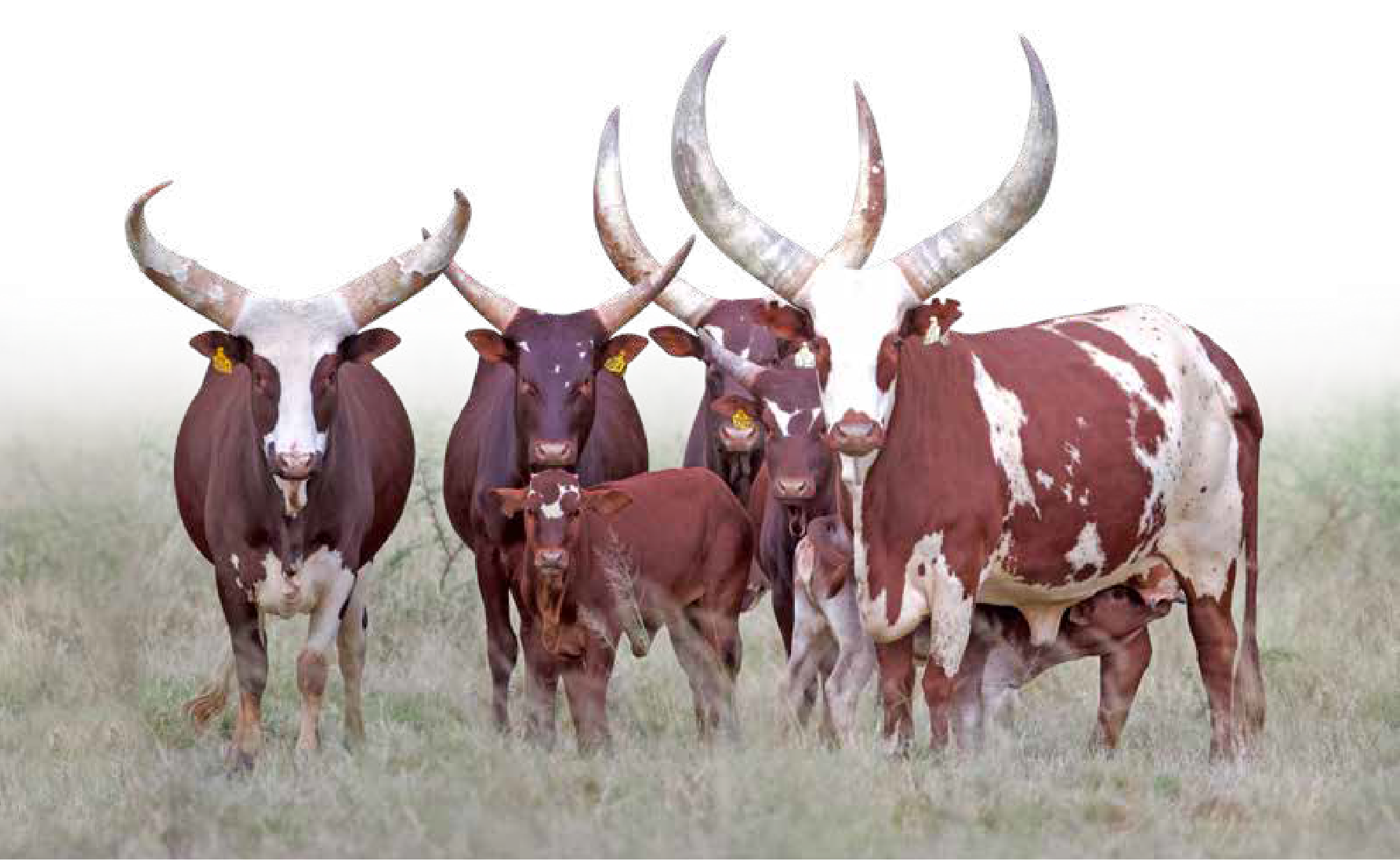
Remember that the life of the Ankole calf is the most important outcome, calling the vet to assist or possibly do a C-section but getting a live calf is worth much more than trying to save the recipient or a few Rand.
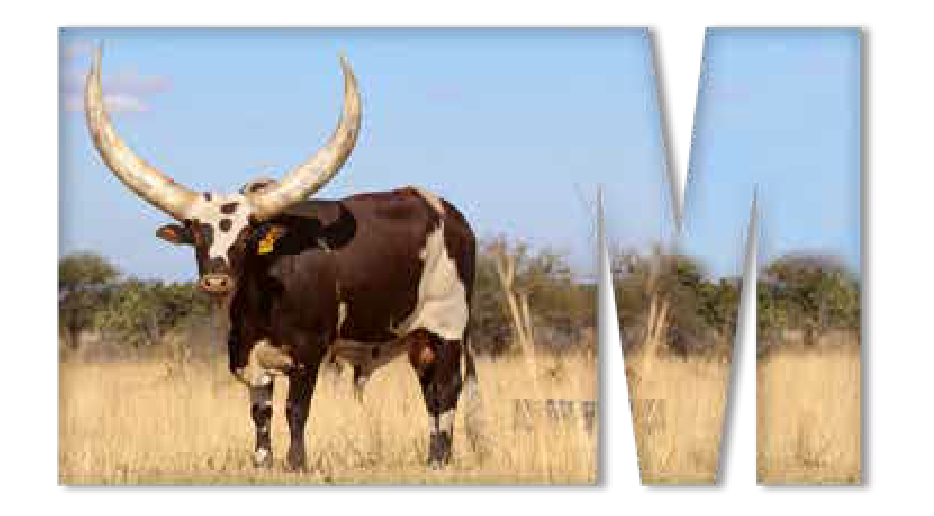
Founding Greats
Founding Greats
The Ankole herd in South Africa, other than the new genetics animals that were born from September 2024, are all rooted in the original Ntaba Nyoni herd. Here we profile some of the great foundational cows and bulls that have made a significant contribution to our national herd.
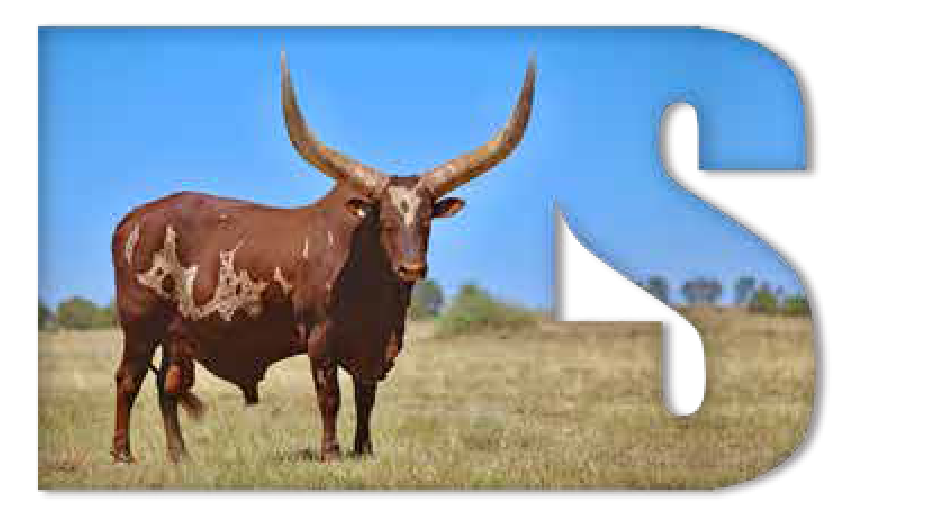
Sebastiaan
NANK06006
| Date of Birth | 01 December 2012 |
| Current Status | Alive |
| Foundation Lines | Sire A07006 descendent from BA2 and A29 Dam A07025 descendent from BA1 and A18 |
| Longest Known Measurement | 47″ |
Mr President
NANK08007
| Date of Birth | 20 December 2008 |
| Current Status | Deceased |
| Foundation Lines | Sire 06002 descendent from BA1 and A31 Dam Merlot (NANK06006) descendent from BA1 and A5 |
| Longest Known Measurement | 46 2/8″ |

Cumulus
NANK10120
| Date of Birth | 31 October 2010 |
| Current Status | Deceased |
| Foundation Lines | BA2 and A26 |
| Longest Known Measurement | 52″ |
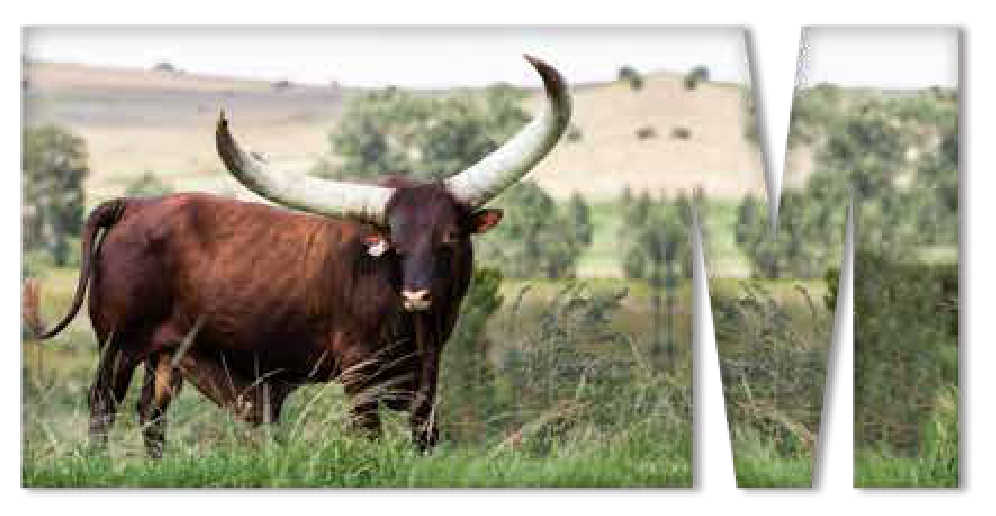
Maximus
NANK10115
| Date of Birth | 25 October 2010 |
| Current Status | Alive |
| Foundation Lines | BA7 and A26 |
| Longest Known Measurement | 52″ |
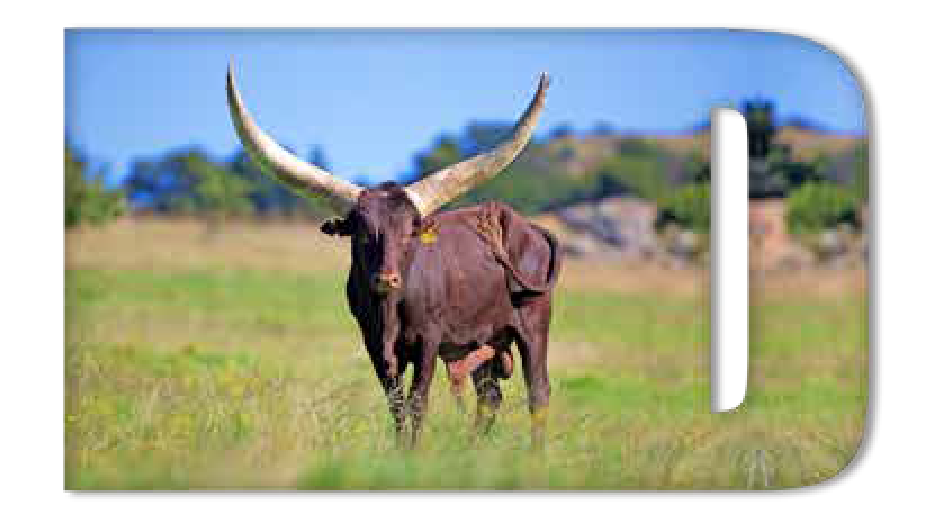
Dyambo
NANK07047
| Date of Birth | 2 March 2007 |
| Current Status | Deceased |
| Foundation Lines | BA1 and A4 |
| Longest Known Measurement | 49 ½″ |
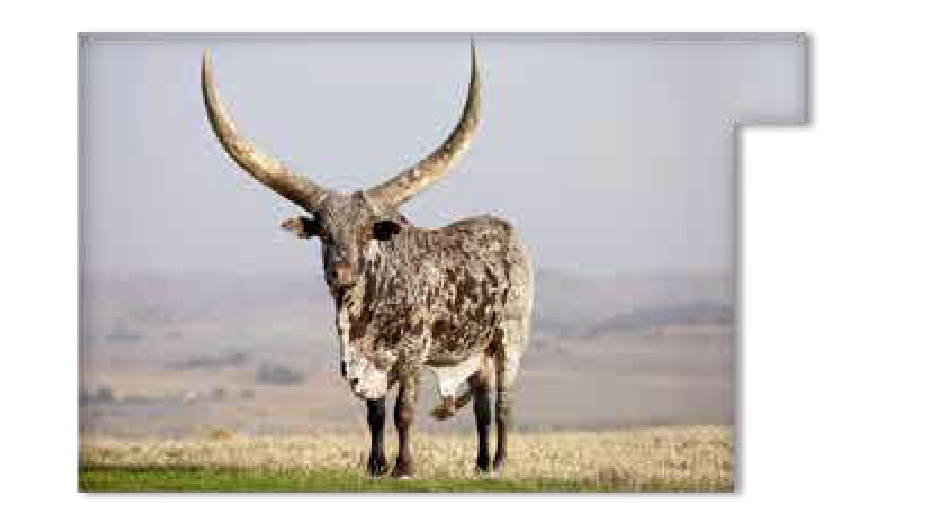
Tshinakaho
NANK07043
| Date of Birth | 4 April 2007 |
| Current Status | Deceased |
| Foundation Lines | BA1 and A1 |
| Longest Known Measurement | 50 1/8″ |
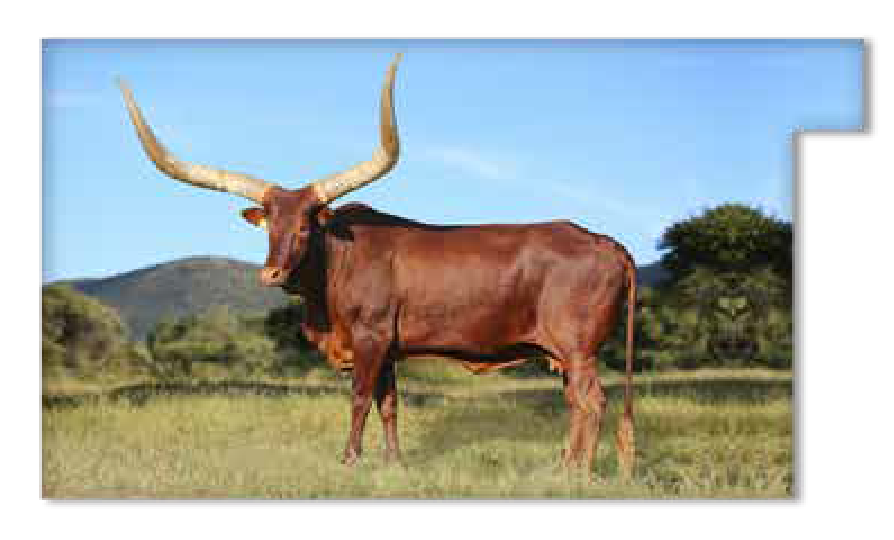
Texas
A07038
| Date of Birth | 13 September 2007 |
| Current Status | Alive |
| Foundation Lines | BA1 and A17 |
| Longest Known Measurement | 51 4/8″ |
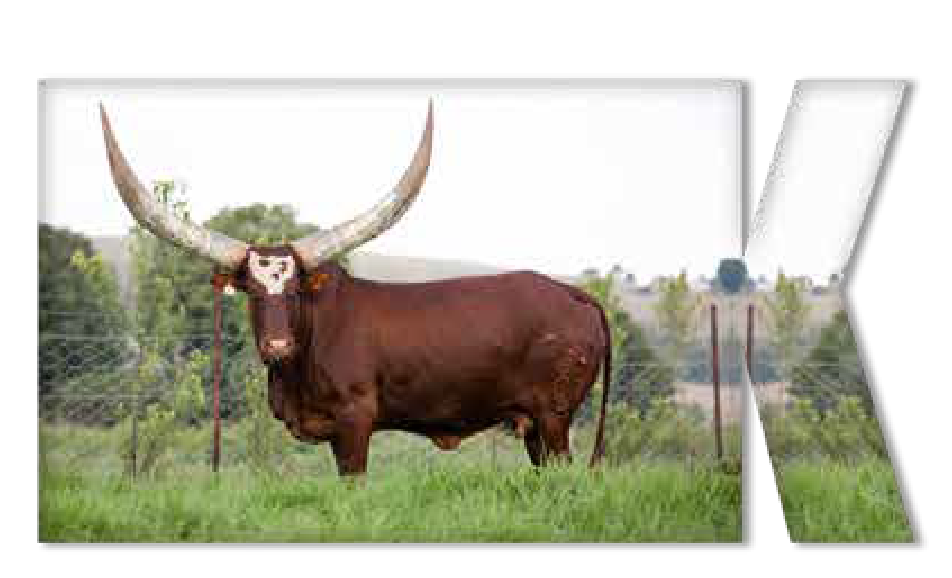
Kyasha
A070042
| Date of Birth | 13 September 2007 |
| Current Status | Alive |
| Foundation Lines | BA1 and A21 |
| Longest Known Measurement | 52 4/8″ |
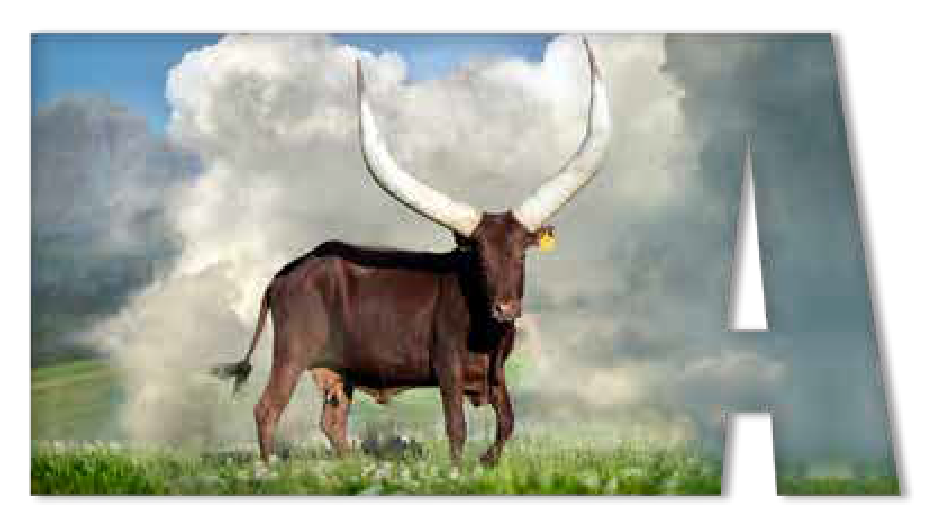
Aura
NANK070067
| Date of Birth | 23 February 2007 |
| Current Status | Alive |
| Foundation Lines | BA1 and A17 |
| Longest Known Measurement | 52″ |
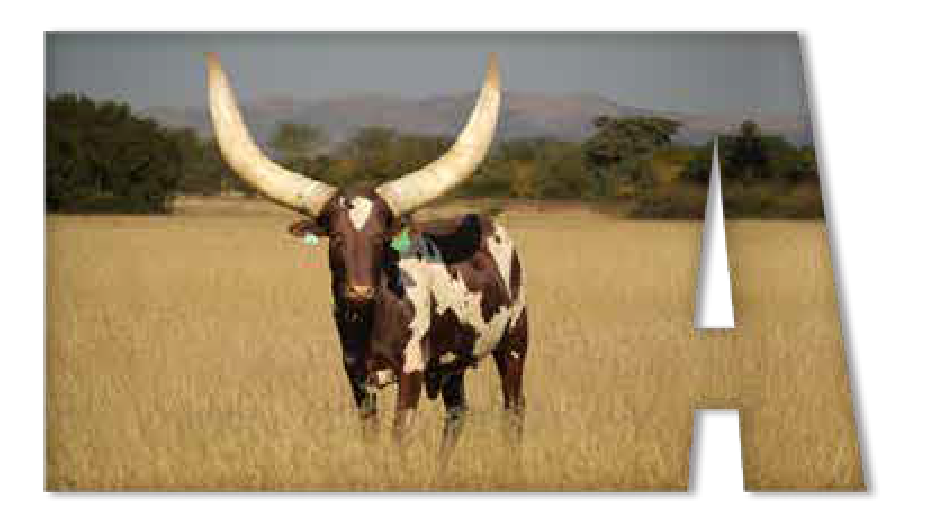
Akira
A07008
| Date of Birth | 21 May 2007 |
| Current Status | Deceased |
| Foundation Lines | BA1 and A10 |
| Longest Known Measurement | 48 ½″ |
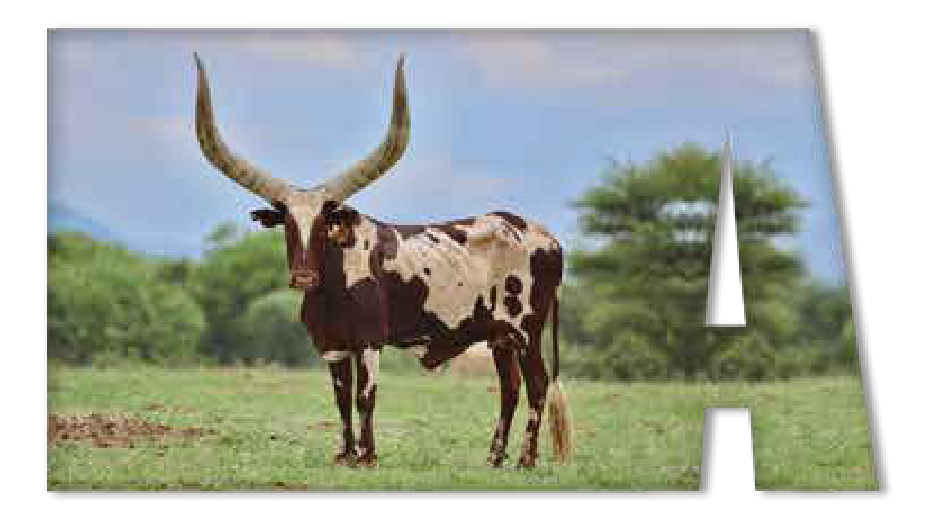
Ashanti
NANK060036
| Date of Birth | 26 August 2006 |
| Current Status | Alive |
| Foundation Lines | BA1 and A8 |
| Longest Known Measurement | 46 2/8″ |

Merlot
NANK06006
| Date of Birth | 08 April 2006 |
| Current Status | Alive |
| Foundation Lines | BA1 and A5 |
| Longest Known Measurement | 47 2/8″ |
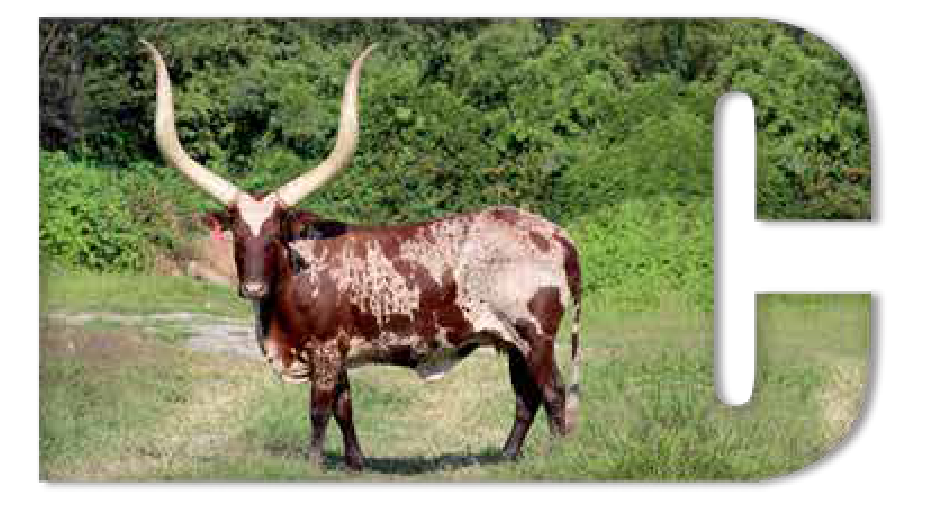
Cleopatra
NANK13023
| Date of Birth | 10 October 2013 |
| Current Status | Alive |
| Foundation Lines | Sire NANK06002 from BA1 and A31 Dam NANK07140 from BA3 and A21 (47 2/8″) |
| Longest Known Measurement | 50″ |
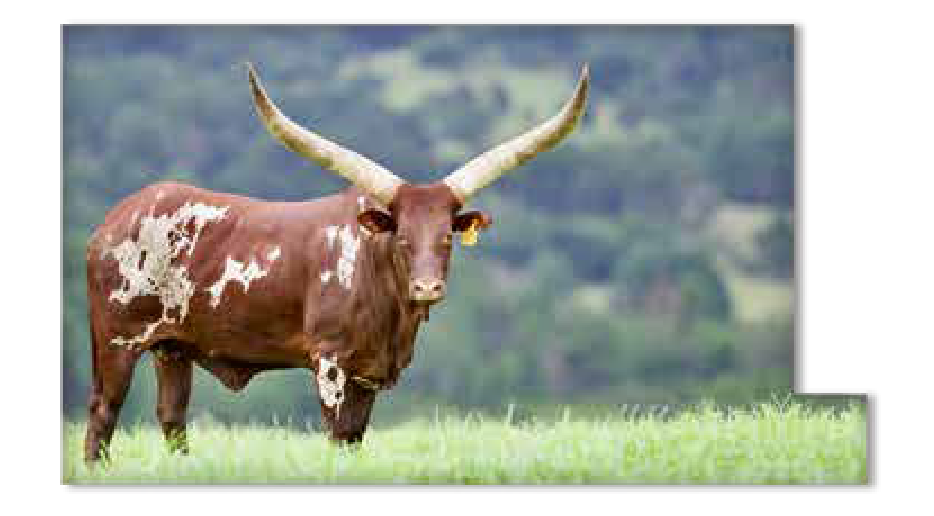
Lindi
NANK09003
| Date of Birth | 13 July 2009 |
| Current Status | Deceased |
| Foundation Lines | BA3 and A26 |
| Longest Known Measurement | 40 7/8″ |

Ankole new genetics
The Importance of the Introduction of New Genetics in Genetic Diversity in Ankole
By Charne Rossouw (Unistel), Dr Morné de la Rey & Dr Anton De Swardt
The introduction of Ankole cattle into South Africa occurred between 2004 and 2005 with the purchase of a base herd of three bulls, identified as BA1, BA2 and BA3, and 22 cows by President Ramaphosa from President Museveni of Uganda in 2003. As South African veterinary services prohibit the importation of cloven-hoofed animals, including cattle, from countries with reportable diseases such as Foot and Mouth Disease, Brucellosis, TB and others, the cattle were relocated to Sirima Quarantine Centre within the Ol-Pejeta Conservancy in Kenya, a recognized quarantine facility approved by the South African authorities. There, Dr Morné de la Rey, through conventional embryo flushing, produced embryos. These embryos were imported into South Africa following the strict veterinary protocol. The embryos were implanted into recipient cattle at Embryo Plus and this started the breeding of Ankole cattle in South Africa. The first live animals were born in 2005.
An excellent article describing this journey “The Legacy of the South African Ankole” can be found in the first Journal of the Ankole Society of South Africa. At that stage, in 2018, the Society started off with 26 stud members with a total of 710 registered Ankole cattle.
Advancements in genetics for Ankole cattle: the importance of introducing new bloodlines
The Ankole is one of Africa’s most recognisable and respected cattle breeds, known for its hardiness, adaptability, and ability to perform under tough conditions. These strengths didn’t happen by chance; they are the result of generations of natural selection and careful breeding. In recent years, a new challenge has begun to surface: how can we enhance the breed while maintaining its genetic diversity? This is where the comprehension of inbreeding and genetic diversity becomes crucial, not as a complex scientific issue, but as a factor that directly influences herd performance. Over the past decade, breeders have started tracking and managing the genetics of their herds more closely. One key trend that has emerged is that many herds are becoming more closely related over time. This does not suggest ineffective breeding strategies; rather, it is a natural result of a small genetic pool, breeding within a closed or limited group and/or keeping strong bloodlines within a herd. While this can improve consistency, it also slowly reduces genetic variety.

What is inbreeding and why is it important?
In simple terms, inbreeding occurs when animals that share a familial connection are mated. The closer the relationship between the parents, the greater the inbreeding coefficient (CI) of the offspring. This indicates an increased likelihood that both gene copies originate from a common ancestor. This is significant because, over time, elevated levels of inbreeding can result in reduced fertility, slower growth rates, weaker calves, and a decrease in disease resistance. These effects may not be immediately apparent, but they gradually undermine herd performance across generations.
Putting the Ankole genetic base into perspective1
To grasp the significance of introducing new bloodlines, it is beneficial to examine the initial genetic foundation of the breed in South Africa. The original Ankole genetics that were brought into the country from 2004 to 2005 included 3 bulls and 22 cows (a total of 25 founding animals). From a genetic perspective*, this represents a rather limited starting population. By analysing these figures, we can calculate the effective population size (Ne), which indicates the amount of usable genetic diversity that is truly available.
For this initial group, the estimated effective population size is approximately 10.6. This suggests that if these genetics are used repeatedly without incorporating new bloodlines, the risk of inbreeding could increase quite rapidly. According to this estimation, the expected rate of inbreeding accumulation is about 4.7% per generation. In 2024, following a very challenging process that commenced in 2018, new genetics were brought into the country through embryos produced by Dr de la Rey in the Sirima Quarantine Centre. These genetics emanated from 10 bulls and 66 cows (a total of 76 animals). This greatly enhances the genetic foundation of the breed by raising the estimated effective population size to around 34.7. Consequently, the anticipated rate of inbreeding accumulation decreases to about 1.4% per generation, which indicates an almost 70% reduction in the rate at which inbreeding accumulates.
The most significant advantage arises when the original and new genetics are strategically combined. With a total of 14 bulls and 88 cows (102 animals), the estimated effective population size is approximately 45.3, with an expected increase in inbreeding of about 1.1% per generation. This results in an effective population size that is more than four times greater. Furthermore, there is a potential reduction of up to 77% in the rate of inbreeding accumulation compared to the original group. Practically speaking, this indicates that the introduction and integration of new bloodlines not only broadens the gene pool but also considerably decelerates the rate at which inbreeding accumulates within the population.
The hidden risk: losing what makes Ankole special
Ankole cattle are highly valued for their resilience to heat, their capacity to flourish in poor grazing conditions, and their robust resistance to diseases. These characteristics stem from genetic diversity – a broad array of genes present within the population.
If the level of diversity decreases significantly, we face the risk of:
- A decline in adaptability.
- A rise in health issues.
- An increased reliance on intensive management.
In essence, the very qualities that render Ankole cattle so valuable may begin to diminish.
Where do new bloodlines fit in?
Introducing new bloodlines, commonly referred to as outcrossing, is among the most effective methods for safeguarding and enhancing breeds. This process does not involve arbitrary crossbreeding. Instead, it entails incorporating animals that have a lower degree of relatedness to your herd while remaining faithful to the breed.
What happens when you introduce new genetics?
1. Reduced inbreeding levels
New bloodlines help to decrease the genetic relatedness among animals, effectively aiding in the “reset” of the inbreeding levels within your herd.
2. Healthier, more robust animals
You may see improvements in:
- Fertility
- Growth
- Calf survival
This phenomenon is commonly known as hybrid vigour, which holds particular significance in extensive farming practices.
3. An expanded genetic toolbox
Increased genetic diversity means:
- A wider array of selection options
- Improved capacity to adapt to environmental changes
- Enhanced long-term sustainability

A real opportunity for the Ankole breed
One of the notable advantages of the Ankole breed is its presence in various regions, each with its own unique bloodlines. This offers a significant opportunity: by thoughtfully incorporating genetics from different Ankole populations, breeders can:
- Strengthen diversity
- Reduce inbreeding
- Maintain breed identity
Finding the right balance
While new bloodlines are important, balance is key. Breeders should aim to:
- Avoid overusing a single bull, no matter how good he is.
- Introduce new genetics gradually and strategically.
- Keep selecting for the traits that matter: adaptability, fertility, and function.
The goal is not to change the breed, but to protect and strengthen it.
Looking ahead
In the last 5 to 10 years, there has been an increasing recognition of the significance of genetics in Ankole breeding. More breeders are beginning to consider more than merely choosing the best animals, they are now also inquiring how closely related their animals are, and what implications this has for the future. This change is crucial. The enduring success of the Ankole breed will rely not only on our selection choices but also on how we handle the genetics that inform those choices.

The journey to new genetics
In the second journal of the Ankole Society of South Africa 2024, Martin Joubert of Full Blood Genetics captures the journey of sourcing the next generation of Ankole in Uganda for himself, President Ramaphosa, Ntaba Nyoni Ankole, and Dr Morné de la Rey, Embryo Plus. This journey followed the same process of acquiring the cattle in Uganda and exporting them to Ol-Pejeta conservancy in Kenya where Dr de la Rey again produced a significant number of embryos for importation into South Africa. Daniël Naudé of Benella Ankole also acquired his own bulls and cows which similarly went through the same process until importation of the embryos into South Africa.
Importation of the embryos in 2024, produced from the 14 bulls and 88 cows, South African veterinary services conducted very stringent protocol. This protocol, to a certain extent, compromised the viability of some of the embryos and resulted in only approximately 35% of the embryos producing calves on the ground. As at the first quarter in 2026 only 52 male and 75 female (with a total of 127) calves have been registered from the new genetics imported in 2024. When these animals are capable of being bred with the first generation Ankole imported in 2004/2005, a Blended Generation will be created. This creates a great opportunity for the outbreeding of the first generation. Further opportunity exists with the selective breeding of the new generation genetics to create more new generation cattle that will further assist in the increase of the effective population size and decelerate the rate at which inbreeding accumulates within the population.
Final thought
Quality breeding transcends merely producing the finest animals in the present; it encompasses the responsibility of ensuring the breed remains robust for future generations. By carefully managing inbreeding and incorporating new bloodlines as necessary, Ankole breeders can guarantee that this remarkable breed not only survives but flourishes well into the future.
1 Note regarding the values utilised. The values shown above are theoretical approximations derived from the count of founding animals. They demonstrate the genetic potential and constraints of the population. In reality, the levels of inbreeding within the breed may vary and would necessitate pedigree or genomic information for accurate determination.